VACIO - SENKO NO KU

T.T × ARPA × Ryosokuin - VACIO Senko no Ku
Fragments of light is the concept explored in “VACIO, Senko no Ku” – a collaboration between Arpa, T.T, and Ryosokuin temple in Kyoto, opening in April 2026. Emerging from an ongoing dialogue on the perception of time, the project brings together photography, scent, and installation within the historic architecture of Ryosokuin.


Through fragments of light, the works evoke memory as something fleeting—like a polished mirror that retains no trace. Negative photography and reflective materials form an archive of erased memories, where images appear and disappear as viewers move through the space, observing shifting reflections of light.
The exhibition investigates flares of emptiness: silver, born from the end of a star’s life, reflecting light in ways that suggest another perception of time. The space becomes a laboratory where light, memory, and scent converge, forming a quiet constellation.


The research into Kōdō - the Japanese practice of listening to scent, a centuries-old discipline of silence, attention, and the contemplation of fragrance - unfolds as a spatial system within the exhibition VACIO Senko no Ku.
A long study of this practice draws the basis of Barnabé Fillion’s work. For VACIO Barnabé developed a series of scents tracing them throughout modular sculpture installations.
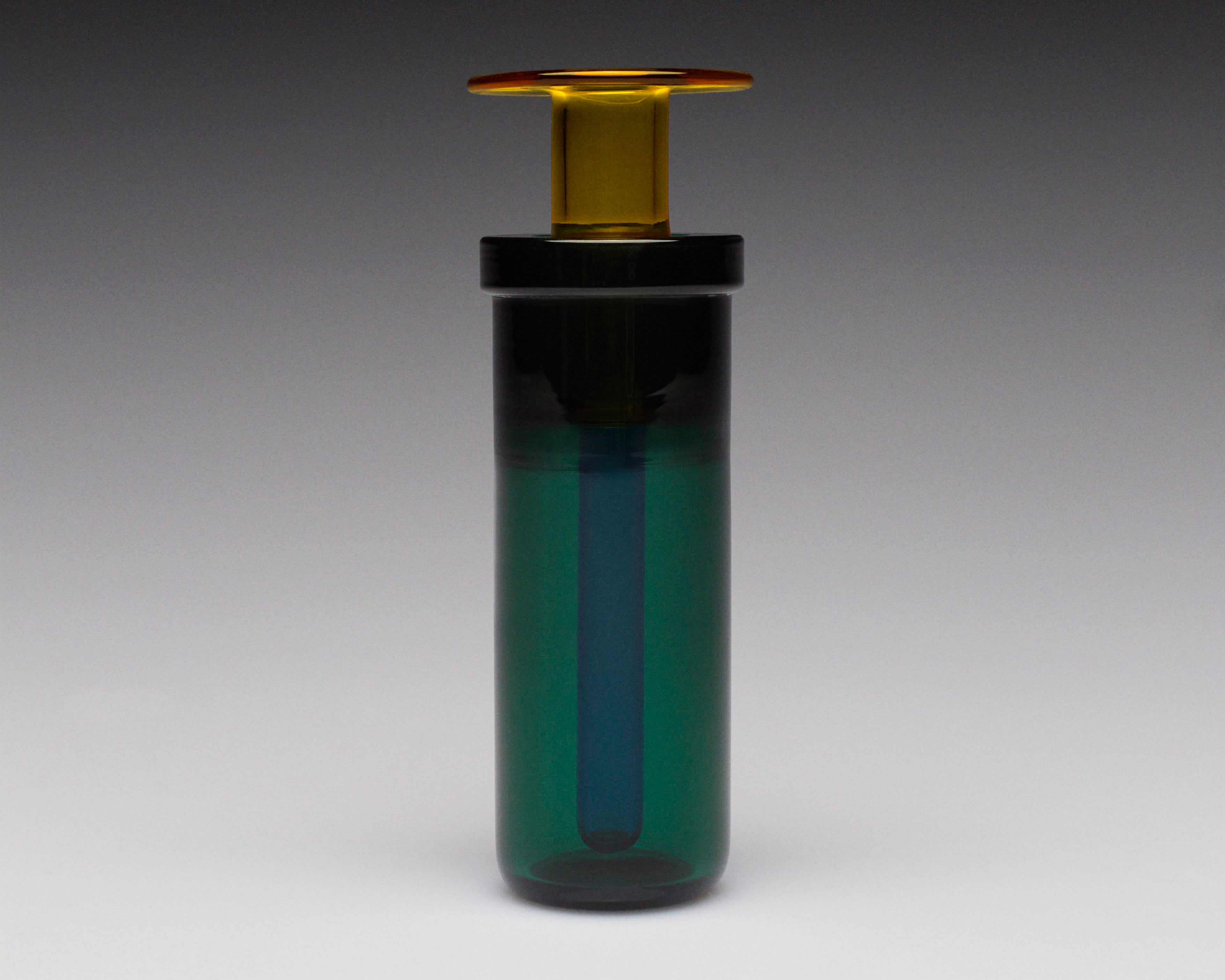
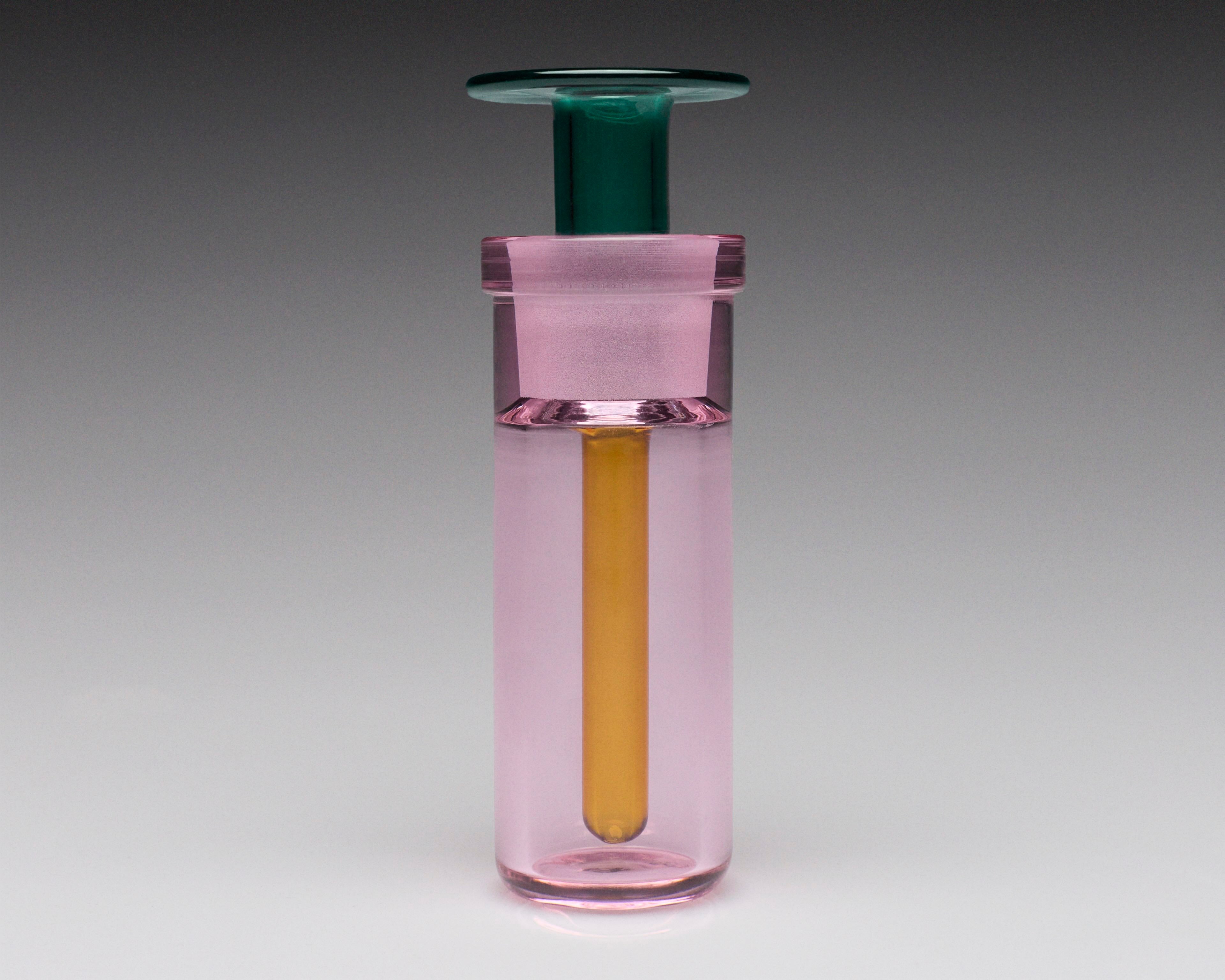
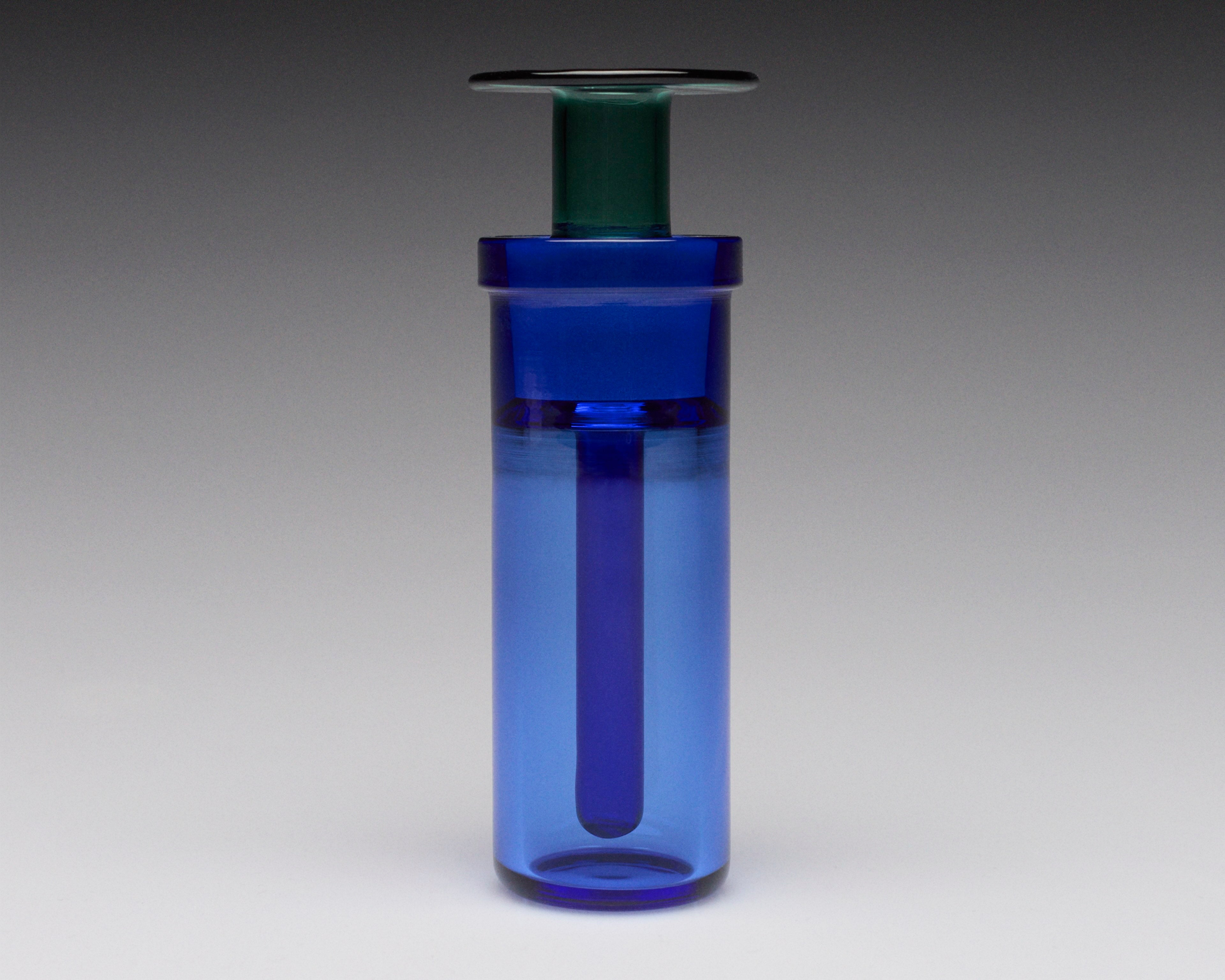
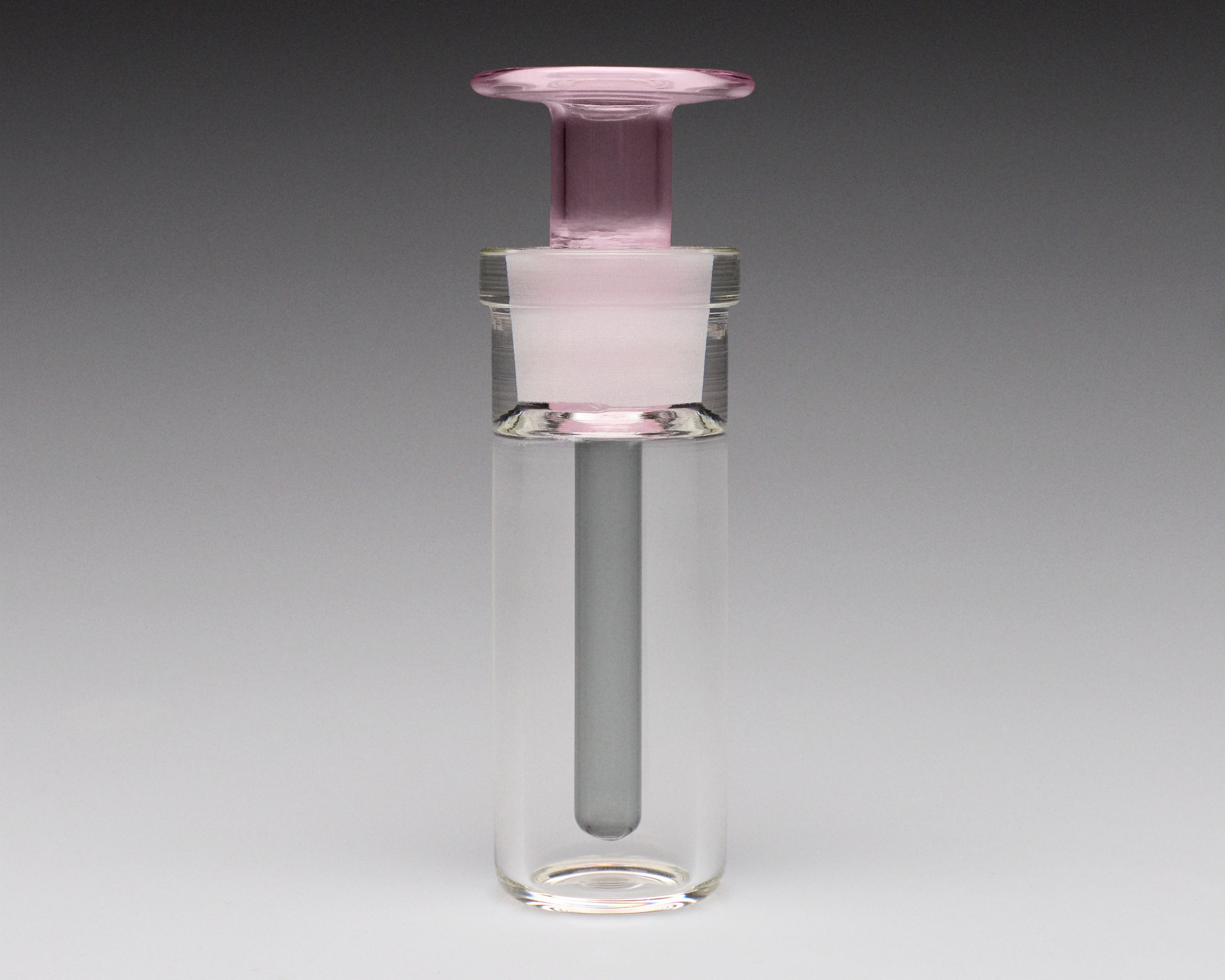
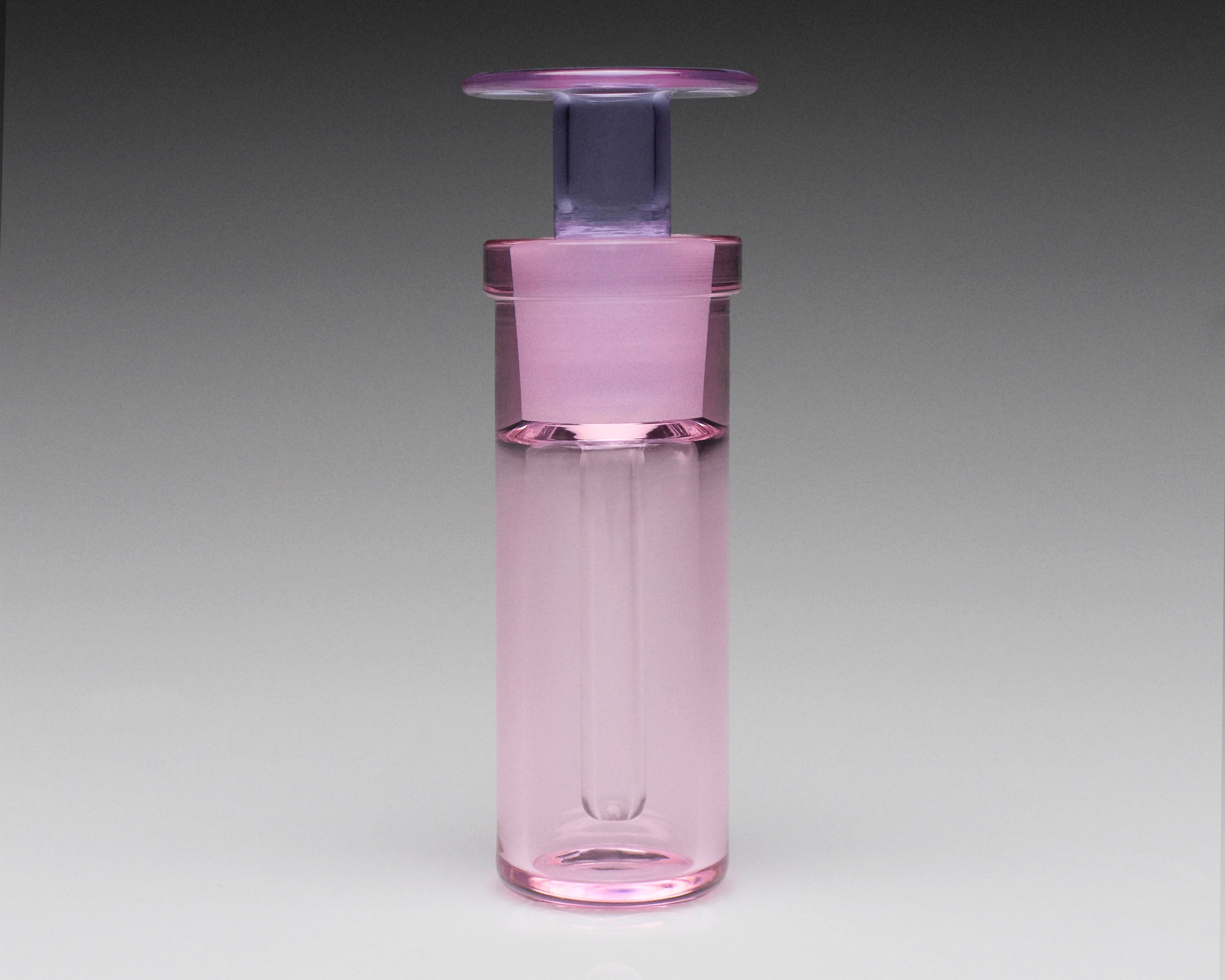
Made in aluminum, acrylic, and fabric; these sculptures draw their logic from chapters of the Genji-kō incense game, each conceived to evoke one of the senses and their synchronised convergence.
The symbols of the Genji-kō, an olfactory alphabet, are translated into tangible shapes. Each module is constructed in a reflective material, capturing its surroundings and the elements beside it. Together, the pieces mirror the distorted image of the garden that surrounds Ryosokuin zen temple, the backdrop of the exhibition.


Every unit carries a distinct olfactory composition, while its surface produces a secondary layer of interaction: an exchange between scent, form, and environment, where perception shifts across registers in a whisper form of synaesthesia.
Within this structure, the invisible curves of scent are not treated as a residue but as a moving line, an invisible trajectory that continuously redraws the space. These curves emerge, dissolve, and reappear through reflection, fragmenting across surfaces and extending beyond their physical source.
In VACIO (emptiness), Kōdō becomes structure of reflection, and converging perception.

A photographic layer is integrated into the Kōdō structure.
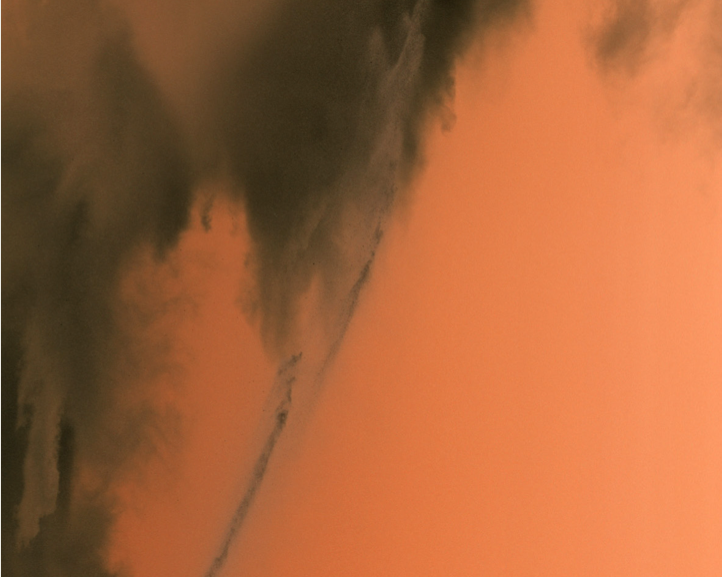
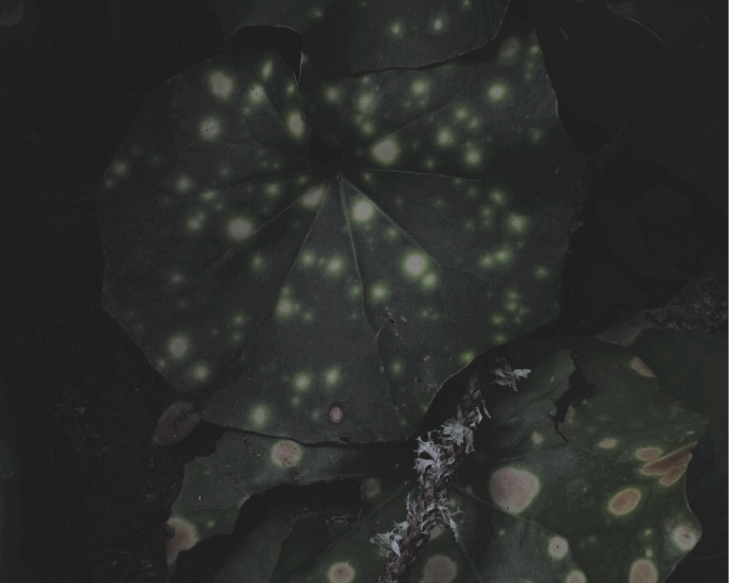
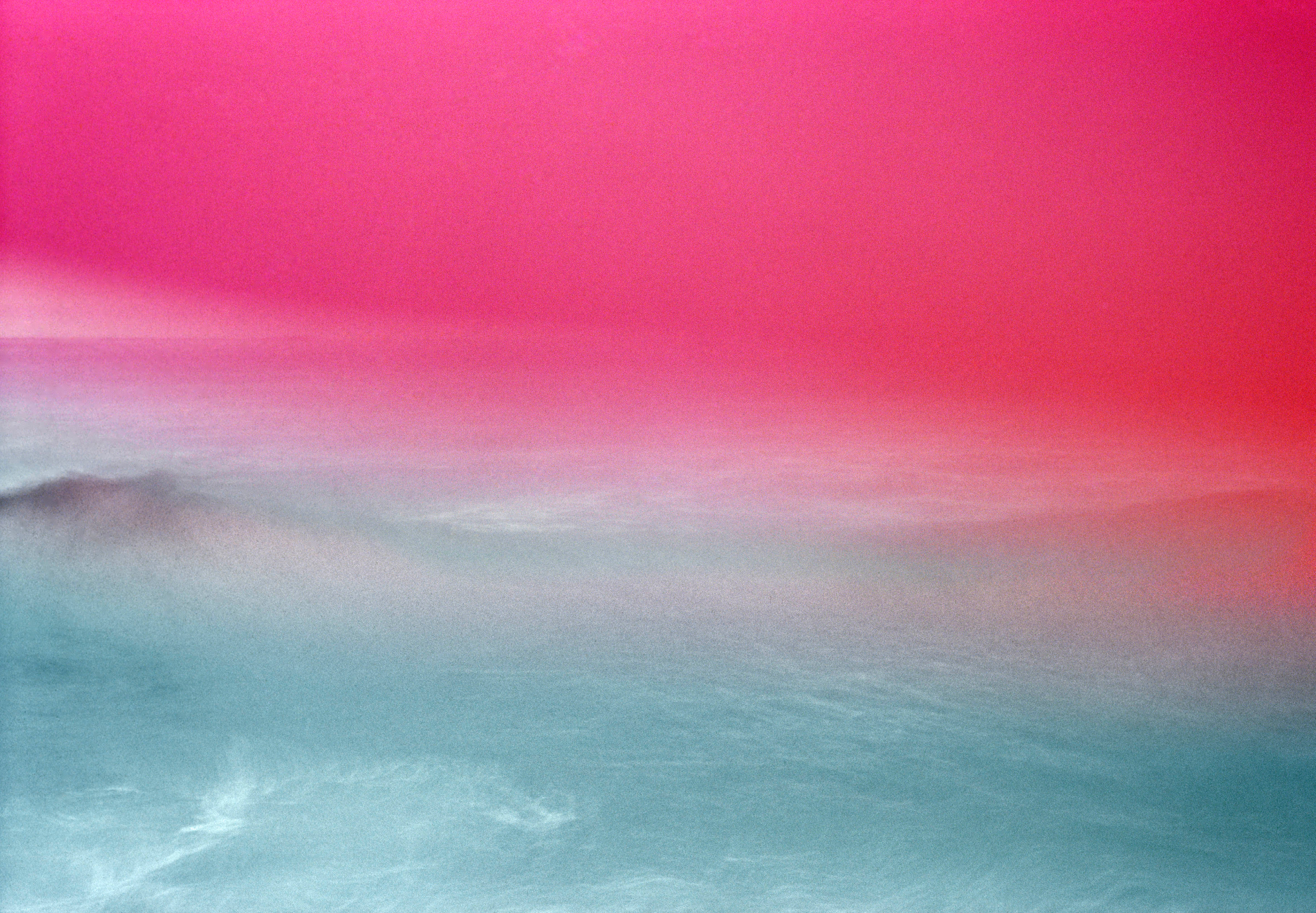
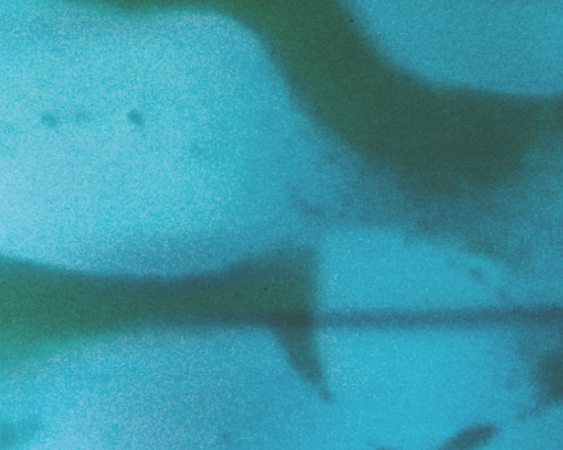
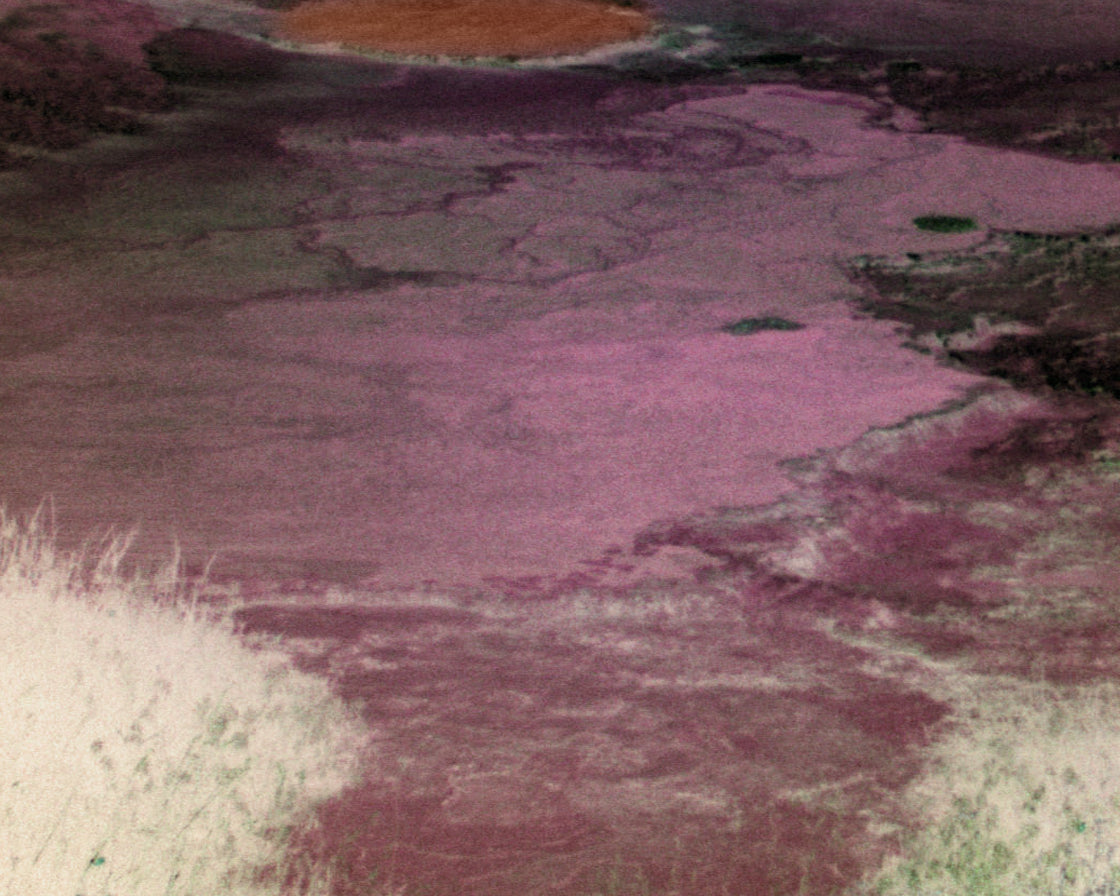
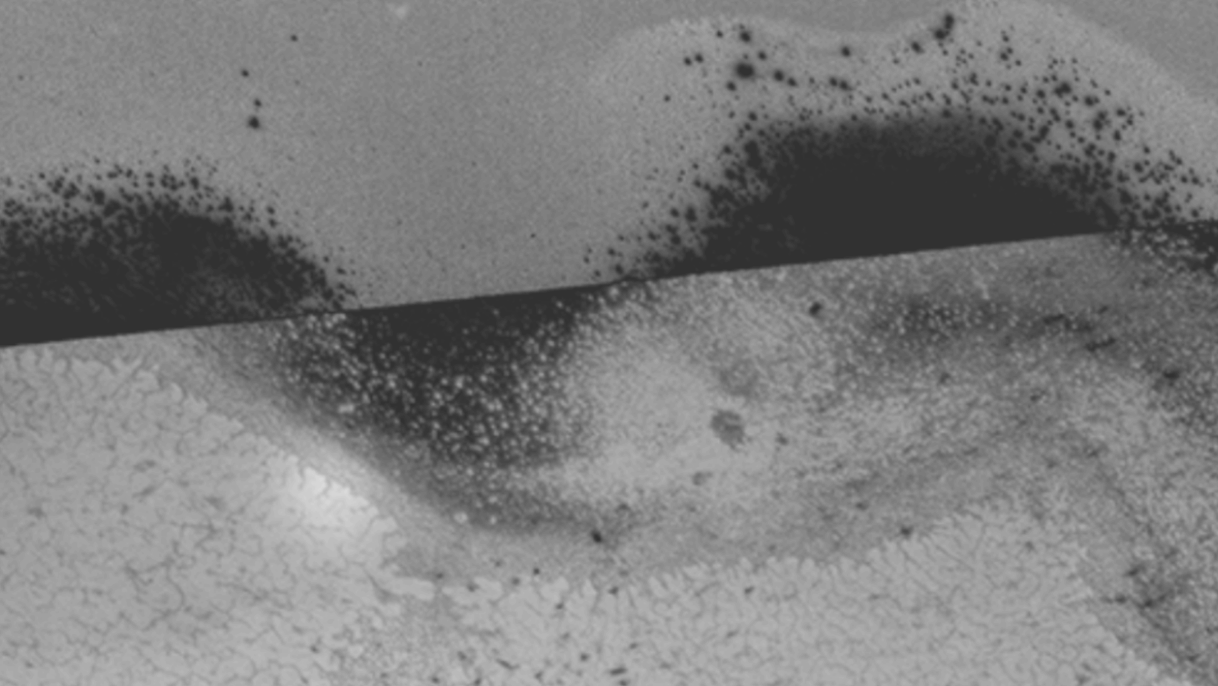
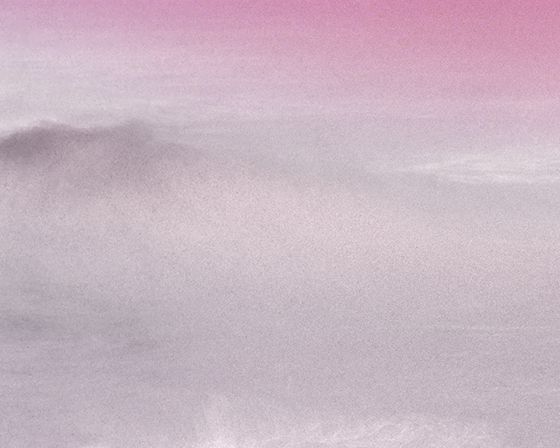
This series of photographies has been developed by Barnabé Fillion, all shot at dawn, when the light is almost gone. They do not document a scene in a conventional sense. Rather, they register the emergence of form as the eye disengages from fixed focus. The extended opening of the shutter functioning as a parallel to a closed eye that remains perceptive, absorbing movement, light, and duration without stabilising them.


The historical setting of the zen temple Ryosokuin induced a reflection on the relation between images and zen meditation, which led to the concept of makyo: residues of perception, traces that rise and dissolve at the threshold between the early states of the mind, in meditation.
The images in the exhibition aim to resemble these first internal figures that appear when eyes close, vision turns inward: unstable, drifting.
The photographic process does not capture objects, but conditions: vanishing configurations of light and motion, existing only within a stretched temporal frame.


VACIO Senko no Ku, an editorial object embodying the concept of the exhibition. It takes the form of a fold inspired by the ritual of kōdō, the Japanese art of listening to incense, its silver face marking the opening of the ritual. A second envelope contains silver scented flares, transforming the act of smelling into a gesture, a ceremony in itself. A booklet gathering the concept and imagery of the exhibition completes the object, forming together an archive of the ritual.


When scent and garment open doors to memory, the world once again appears with a depth that cannot be grasped by visible images alone. Through VACIO Senko no Ku, Arpa × T.T × Ryosokuin seek to generate a presence of absence in a spatial domain where fragments of countless elements – scent, image, garment, light – intersect. This is an attempt to question how Nature and the World, are perceived, and to offer a new perspective on memory.


Flares of Emptiness: photographs taken at night by Barnabé Fillion - the creative mind of Arpa - form a personal journal of records of what appears when we close our eyes or when the night falls.
They do not document a scene. They register the emergence of form as attention drifts: absorbing light, movement, and duration without stabilizing them into fixed images.
Each one is a condition, not a subject: a vanishing configuration of light and motion that exists only within a suspended moment of looking.
With this photographic work, Barnabé Fillion draws a reflection on the relation between images and Zen meditation, leading to the concept of makyō - giving form to an extensive collection of images: what he calls “Flares of Emptiness”.